Temporary & Long-Term Structure Solutions for Operational Recovery
When critical facilities are lost, timing and flexibility matter. Whether due to fire, renovation, expansion, or unexpected disruption, the ability to restore operational space quickly can make the difference between downtime and continuity.
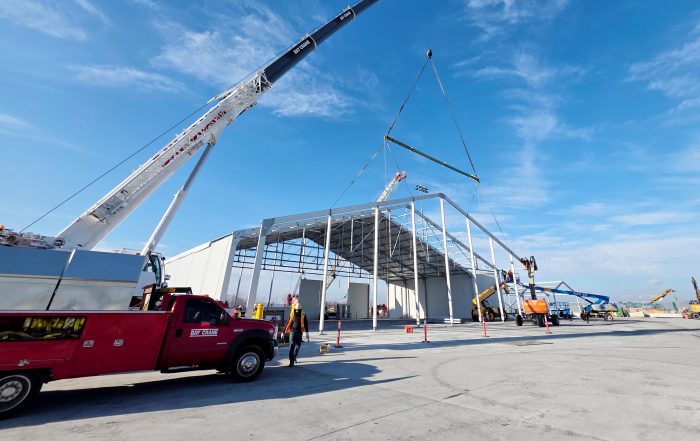
Temporary and long-term structure solutions provide a practical, high-performance alternative to traditional construction, delivering usable space in weeks, not months. These clear span fabric structures are designed to be installed quickly, adapted over time, and scaled as needs evolve, making them ideal for organizations that need immediate results without sacrificing long-term planning.
Rapid Installation Keeps Operations Moving
Speed is often the most critical factor when facilities become unavailable. Pre-engineered systems allow for efficient installation and fast turnaround, minimizing downtime and getting teams back to work quickly.
Unlike conventional construction, these structures require minimal site preparation and can often be installed on existing surfaces. This allows organizations to restore essential functions such as storage, maintenance, or workspace without waiting for lengthy permitting or construction timelines.
For industries like golf course operations, construction sites, and industrial facilities, this means equipment, materials, and personnel can remain productive without interruption.
Flexible Long-Term Rental Options
Not every situation calls for permanent construction. In many cases, long-term rental structures provide a cost-effective and flexible solution for extended use.
Rental options allow organizations to avoid large upfront capital investment, adjust or expand space as needs change, and maintain operational flexibility during uncertain timelines.
Whether the need lasts months or several years, long-term rental structures offer the stability of a permanent solution with the flexibility of a temporary one.
A Path to Permanent Structure Solutions
Temporary doesn’t have to mean short-term.
As operational needs evolve, structures can be transitioned into permanent fabric building systems designed for durability, compliance, and year-round use. This approach allows organizations to start with immediate recovery, evaluate long-term needs, and transition seamlessly into a permanent facility.
It’s a phased strategy that reduces risk while maintaining momentum.
Built for Real-World Conditions
Temporary structure solutions are engineered to perform in demanding environments where traditional construction may fall short.
From active job sites to outdoor operational settings, these structures provide immediate, functional space with minimal disruption.
Key capabilities include clear span interiors for equipment, vehicles, and workflow efficiency, no foundation required with anchoring or ballasting options, engineering for wind and snow loads with all-season performance, and options for lighting, power, climate control, and access doors. Scalable layouts allow the structure to grow with your operational needs.
This combination of durability and flexibility makes them suitable for everything from maintenance facilities to warehouse storage and temporary workspaces.
Ideal for Recovery, Expansion, and Beyond
Temporary and long-term structures are commonly used across a range of applications, including equipment and vehicle storage, maintenance and operations facilities, material and supply storage, temporary dining or workforce support spaces, and seasonal or overflow capacity.
In scenarios like golf course maintenance recovery, these structures allow teams to quickly regain control of daily operations, protecting equipment, supporting staff, and maintaining course conditions without delay.
Start Now. Adapt Over Time.
The biggest advantage of temporary and long-term structure solutions is their ability to meet immediate needs while supporting future growth.
Organizations don’t have to choose between speed and longevity. With the right structure solution, they can start with what’s needed today and build toward what comes next.